VIP Medical Group
- What is the best treatment for spider vein removal?
- 5330 Carroll Canyon Rd #140, San Diego, CA 92121
Personal Summary
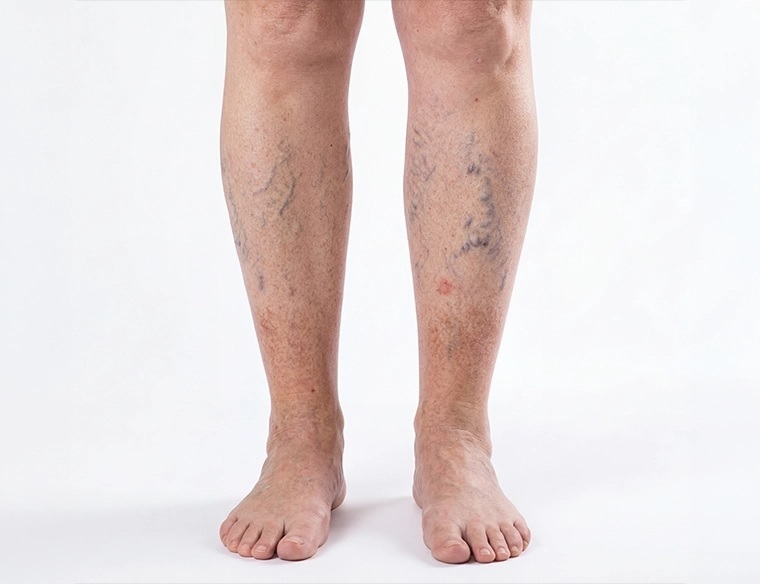
Spider veins are small, visible blood vessels that appear close to the skin’s surface. They typically look red, blue, or purple and form patterns similar to spider webs. Although they commonly develop on the legs, they can also appear on the face and other areas of the body.
Several factors contribute to spider vein development, including aging, genetics, hormonal changes, pregnancy, prolonged standing, and a sedentary lifestyle. While spider veins are often a cosmetic concern, they may sometimes indicate an underlying circulation problem.
Modern spider vein removal treatments can reduce the appearance of these visible blood vessels without major surgery. Consulting experienced Vein Doctors can help you understand your condition and choose an appropriate treatment.
What Is the Best Treatment for Spider Vein Removal?
Sclerotherapy is generally the preferred treatment for spider veins on the legs. This minimally invasive procedure targets unwanted veins without requiring surgical incisions or general anesthesia.
However, laser therapy may offer a suitable alternative for facial spider veins and extremely small blood vessels. The best treatment depends on the size, location, and severity of the affected veins, along with your overall health.
At VIP Medical Group, patients can discuss their vein health concerns and explore treatment options that suit their individual needs.
Sclerotherapy for Spider Vein Removal
Sclerotherapy is one of the most widely used methods for treating spider veins. During the procedure, a doctor injects a specialized solution directly into the affected blood vessels using a fine needle.
The solution causes the targeted veins to close. Over time, the body naturally absorbs the treated veins, gradually reducing their appearance.
The key benefits of sclerotherapy include:
-
Minimally invasive treatment
-
No surgical incisions
-
Minimal recovery time
-
Gradual improvement in skin appearance
-
Convenient outpatient procedure
-
No requirement for general anesthesia
Depending on the number and size of the affected veins, patients may need multiple treatment sessions to achieve their desired results.
How Does Laser Treatment Remove Spider Veins?
Laser therapy uses concentrated light energy to target visible blood vessels. The energy heats and damages the affected veins, allowing the body to gradually absorb them.
Doctors often recommend laser treatment for smaller spider veins, particularly those that are difficult to treat with injections. This procedure may also benefit patients who have a fear of needles or allergies to certain sclerotherapy solutions.
Laser treatment requires no incisions and typically involves limited downtime. However, patients may experience temporary redness, swelling, or changes in skin pigmentation.
Experienced Vein Doctors can determine whether laser therapy or sclerotherapy offers a more suitable solution.
Can Spider Veins Disappear Naturally?
Spider veins generally do not disappear on their own. Although healthy lifestyle habits can support blood circulation, they rarely eliminate existing visible veins.
You can support your vein health by following these simple practices:
-
Exercise regularly to support blood circulation.
-
Maintain a healthy body weight.
-
Avoid sitting or standing for extended periods.
-
Elevate your legs when resting.
-
Wear compression stockings if your doctor recommends them.
-
Take regular walking breaks throughout the day.
These habits may help manage certain symptoms and reduce pressure on leg veins. However, professional spider vein removal treatments offer more effective options for addressing existing spider veins.
How Long Does Spider Vein Treatment Take?
Most spider vein treatment appointments are relatively short, making them convenient for individuals with busy schedules.
The duration of each session depends on the treatment method and the number of veins requiring attention. Many patients return to their normal daily activities shortly after treatment.
Following sclerotherapy, smaller spider veins may begin to fade within three to six weeks. Larger veins may require additional time, while some patients need repeat sessions for better results.
Following your doctor's aftercare instructions can support recovery and help you achieve the best possible outcome.
Is Spider Vein Removal Safe?
Qualified medical professionals generally consider spider vein treatments safe for suitable candidates. However, like any medical procedure, these treatments carry potential risks and side effects.
Patients may experience temporary bruising, mild discomfort, redness, or swelling around the treatment area. Less common complications include allergic reactions, skin sores, and blood clots.
A comprehensive medical evaluation helps doctors identify potential risks and select an appropriate treatment method.
Always discuss your medical history, medications, allergies, and existing health conditions with your specialist before undergoing treatment.
When Should You Visit Vein Doctors?
Although spider veins often cause cosmetic concerns, certain symptoms may indicate an underlying vein condition that requires medical attention.
Consider scheduling a consultation if you experience persistent leg discomfort, swelling, heaviness, itching, burning sensations, or noticeable changes in your skin.
Professional Vein Doctors can examine your affected veins and recommend further diagnostic testing when necessary. Early evaluation can help identify underlying circulation problems and guide appropriate treatment decisions.
Can Spider Veins Return After Treatment?
Successfully treated spider veins generally do not reopen, but new spider veins can develop over time. Genetics, hormonal changes, aging, and lifestyle factors may continue to influence your vein health.
Regular physical activity, healthy weight management, and appropriate follow-up care can help support long-term vein health.
Your specialist may also recommend additional treatment sessions if new spider veins appear in the future.
Conclusion
Sclerotherapy remains a leading option for spider vein removal, particularly for visible veins on the legs. Laser therapy also provides an effective alternative for smaller blood vessels and selected patients.
Choosing the right treatment starts with understanding your vein condition and consulting qualified medical professionals. A personalized treatment plan can help address your cosmetic concerns while supporting your overall vein health.
Schedule a consultation with VIP Medical Group to explore suitable treatment options and take the first step toward healthier-looking legs.