Pain Treatment Specialists
- What are the most common symptoms of sciatica pain?
- 290 Madison Avenue, Floor 2, New York, NY 10017
Personal Summary
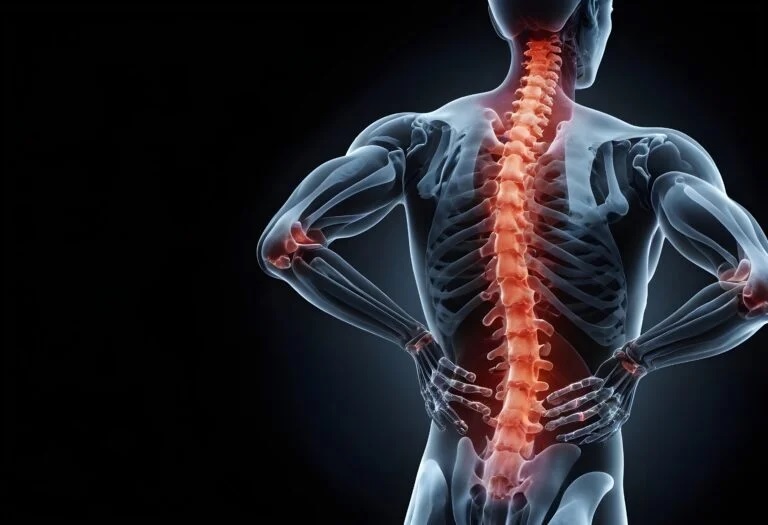
Sciatica pain is a common condition that affects the sciatic nerve, the longest and largest nerve in the human body. This nerve extends from the lower back through the hips, buttocks, and legs. When pressure, inflammation, or irritation affects the nerve or its roots, individuals may experience pain, numbness, tingling, and muscle weakness.
Sciatica can make everyday activities such as walking, sitting, bending, and standing uncomfortable. While some individuals experience mild discomfort, others develop severe symptoms that affect their mobility. Recognizing the early symptoms and consulting Pain Treatment Experts can help individuals understand their condition and explore suitable treatment options.
What Are the Most Common Symptoms of Sciatica?
Sciatica symptoms vary depending on the location and severity of nerve irritation or compression. Here are some of the most common symptoms individuals may experience.
1. Radiating Pain from the Lower Back to the Leg
One of the most recognizable symptoms of sciatica is pain that travels from the lower back through the buttocks and down the leg. The discomfort typically affects one side of the body and may extend to the calf, foot, or toes.
Some individuals experience a constant ache, while others notice sudden, sharp pain during specific movements. Prolonged sitting, bending, or lifting heavy objects may increase discomfort.
2. Burning or Shooting Pain
Sciatica often causes a burning or shooting sensation along the affected nerve. Individuals may describe this discomfort as an electric shock traveling down their leg.
Sudden movements, coughing, or sneezing can sometimes intensify the pain. Unlike ordinary muscle soreness, nerve-related pain often follows a distinct path from the lower back toward the foot.
3. Numbness in the Legs or Feet
Numbness is another common symptom of sciatica. Nerve compression can interfere with normal sensory signals, causing reduced sensation in certain areas of the leg or foot.
Individuals may notice numbness in their thighs, calves, or toes. Persistent numbness requires medical attention, particularly when it affects balance, coordination, or daily activities.
4. Tingling or Pins-and-Needles Sensations
Many people with sciatica experience tingling sensations in their lower extremities. This feeling often resembles pins and needles and may occur alongside pain or numbness.
Tingling can become more noticeable after sitting for extended periods or maintaining certain positions. Consulting Pain Treatment Experts can help identify the underlying cause of these symptoms.
5. Muscle Weakness
Sciatic nerve irritation can sometimes affect muscle strength in the affected leg. Individuals may struggle to climb stairs, walk comfortably, or lift their feet.
In more serious cases, nerve compression may cause difficulty raising the front of the foot, a condition known as foot drop. New or worsening muscle weakness requires prompt medical evaluation.
6. Increased Pain When Sitting
People experiencing sciatica pain often notice increased discomfort when sitting for long periods. Certain seated positions can increase pressure on irritated nerve roots and worsen existing symptoms.
Office workers, drivers, and individuals who spend considerable time sitting may find this particularly uncomfortable. Taking regular movement breaks and maintaining proper posture may help reduce discomfort.
What Causes Sciatica Pain?
Several underlying conditions can irritate or compress the nerve roots that form the sciatic nerve. Common causes include:
-
Herniated or bulging spinal discs.
-
Lumbar spinal stenosis.
-
Degenerative disc disease.
-
Bone spurs affecting spinal nerve roots.
-
Spondylolisthesis.
-
Deep gluteal or piriformis-related nerve compression.
Age-related spinal changes, prolonged inactivity, excess body weight, and improper lifting techniques may also increase the risk of developing sciatica.
Identifying the underlying cause allows healthcare professionals to recommend appropriate treatment based on individual symptoms and medical history.
How Can You Manage Sciatica Symptoms?
Several approaches may help individuals manage sciatica symptoms and improve their mobility. Healthcare professionals often recommend conservative treatment options before considering more advanced procedures.
Common management strategies include gentle stretching, low-impact physical activity, proper posture, and physical therapy. Applying heat or cold packs may also provide temporary relief for some individuals.
Avoid prolonged bed rest and activities that significantly increase discomfort. A qualified healthcare professional can recommend exercises and treatment options that suit your condition.
At Pain Treatment Specialists, individuals can seek professional guidance to understand their symptoms and explore appropriate pain management options.
When Should You Seek Medical Attention for Sciatica?
Mild sciatica symptoms may improve over several weeks. However, individuals should consult a healthcare professional if their pain persists, worsens, or interferes with everyday activities.
Seek immediate emergency medical attention if you experience:
-
Loss of bladder or bowel control.
-
Numbness around the genitals or anus.
-
Sudden or rapidly worsening leg weakness.
-
Severe or worsening numbness in both legs.
These symptoms may indicate a serious neurological condition that requires urgent treatment. Early medical evaluation can help identify complications and support appropriate recovery.
How Can Professional Treatment Help With Sciatica?
Professional treatment focuses on identifying the source of nerve irritation, reducing discomfort, and improving physical function. Depending on the diagnosis, healthcare professionals may recommend physical therapy, medications, image-guided injections, or other medical interventions.
Pain Treatment Experts can assess symptoms, review medical history, and develop an individualized treatment plan. Some individuals with persistent or severe nerve compression may require surgical evaluation.
Conclusion
Recognizing the common symptoms of sciatica pain can help individuals take appropriate steps toward recovery. Radiating leg pain, burning sensations, numbness, tingling, and muscle weakness are important signs that may indicate sciatic nerve irritation.
Maintaining an active lifestyle, practicing proper posture, and seeking timely medical care may help manage symptoms. If persistent discomfort affects your quality of life, contact Pain Treatment Specialists to discuss your symptoms and explore suitable treatment options.