Vein Doctor
- Vein Doctor
Personal Summary
Why Are Varicose Veins More Common in Women?
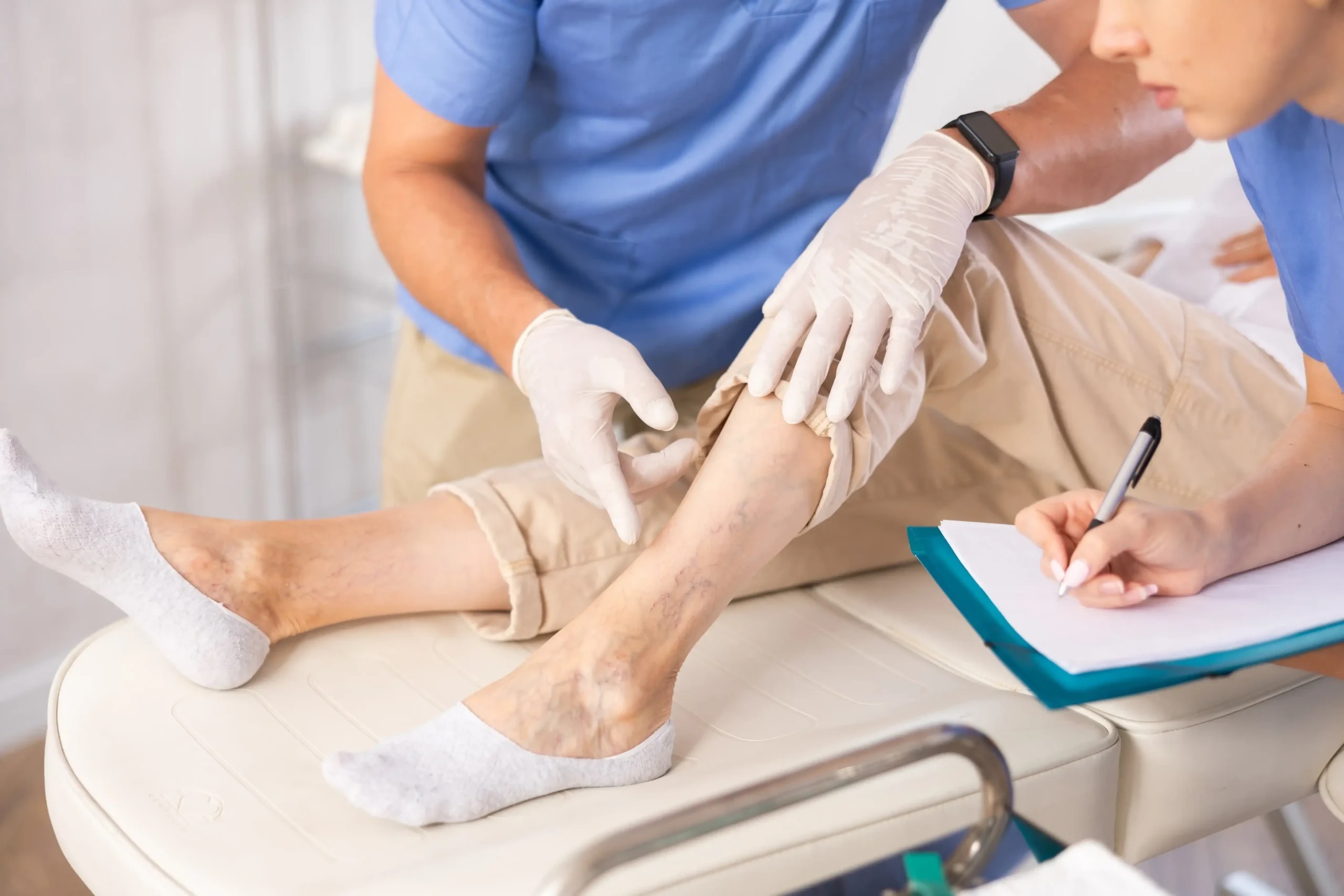
Varicose veins are enlarged, twisted veins that commonly appear on the legs when weakened valves allow blood to flow backward and collect inside the veins. While both men and women can develop this condition, women experience varicose veins more frequently due to hormonal changes, pregnancy, genetics, and lifestyle factors.
Many women notice visible veins, leg discomfort, swelling, or heaviness that affects their daily activities. Understanding why varicose veins occur more often in women helps in identifying symptoms early and seeking proper care. A qualified Vein Doctor for Women can evaluate vein health and recommend suitable treatment options based on individual needs.
How Do Hormonal Changes Increase the Risk of Varicose Veins?
Hormones play an important role in women’s vein health. Female hormones such as estrogen and progesterone can affect the vein walls by making them more relaxed. When veins lose some of their natural strength and elasticity, they may struggle to move blood efficiently back toward the heart.
During different stages of life, including puberty, pregnancy, and menopause, hormone fluctuations can increase the chances of developing varicose veins. Hormonal medications, including some types of birth control, may also influence vein function in certain women.
Because hormonal factors differ from person to person, a professional evaluation from a Vein Doctor for Women can help determine the underlying cause and the best approach for managing symptoms.
Why Does Pregnancy Make Varicose Veins More Common?
Pregnancy is one of the most common reasons women develop varicose veins. As the baby grows, the uterus places additional pressure on the veins in the lower body. This pressure can slow blood circulation from the legs back to the heart, increasing the risk of enlarged veins.
Pregnancy also increases blood volume to support the baby’s growth. Although this process is essential, it places extra demand on the circulatory system. Combined with hormonal changes, these factors can weaken vein valves and contribute to vein enlargement.
Many women notice varicose veins during pregnancy that improve after delivery. However, some veins may remain and continue causing symptoms. Consulting a vein treatment Doctor Hamden can help women explore safe and effective treatment options when needed.
How Do Genetics Affect Women’s Chances of Developing Varicose Veins?
Family history is another major factor linked to varicose veins. Women with parents or close relatives who have experienced vein problems may have a higher chance of developing similar conditions.
Genetics can influence the strength of vein walls and the effectiveness of vein valves. If the valves do not work properly, blood can accumulate in the veins, causing them to become enlarged and visible.
Although family history cannot be changed, early awareness can help women take preventive steps. Maintaining a healthy weight, staying active, and getting professional advice can reduce discomfort and support better vein health.
Can Lifestyle Habits Contribute to Varicose Veins in Women?
Daily habits can also influence the development and progression of varicose veins. Women who spend long hours standing or sitting may experience reduced circulation in their legs. Jobs that require extended periods of standing, such as healthcare, teaching, or retail work, can increase pressure on leg veins.
A lack of regular movement can also affect blood flow. Simple activities like walking, stretching, and exercising can encourage healthy circulation and reduce strain on the veins.
Wearing comfortable footwear, maintaining a balanced diet, and avoiding prolonged inactivity can support overall vascular health. However, lifestyle changes may not completely remove existing varicose veins, especially when damaged valves are involved.
What Symptoms Should Women Watch For?
Varicose veins are not only a cosmetic concern. Many women experience physical symptoms that can affect comfort and mobility. Common signs include:
- Visible twisted or bulging veins on the legs
- Aching or heaviness in the legs
- Swelling around the ankles and lower legs
- Burning or throbbing sensations
- Muscle cramps, especially at night
- Skin changes near affected veins
Some women may ignore these symptoms because they appear gradually. However, early evaluation can help prevent complications and improve treatment outcomes.
When Should Women Visit a Vein Specialist?
Women should consider visiting a vein specialist when symptoms become persistent or begin affecting daily life. A professional assessment can identify whether the issue involves surface veins or deeper circulation problems.
A trusted vein treatment Doctor Hamden can perform a detailed evaluation and suggest treatments designed to improve blood flow and reduce symptoms. Modern vein treatments are often minimally invasive and allow many patients to return to normal activities quickly.
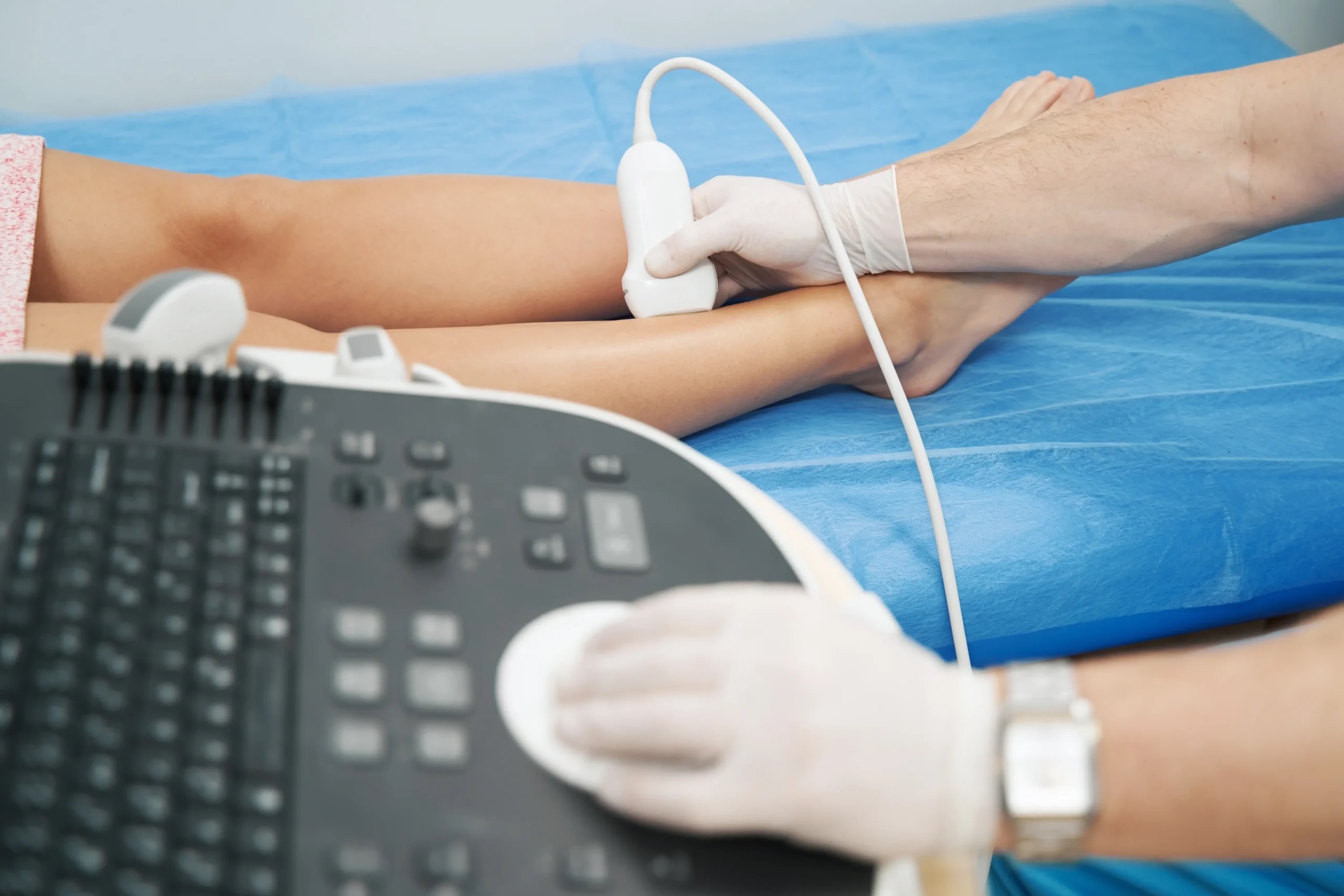
At Vein Doctor, specialists focus on providing personalized care for women dealing with vein concerns. The right treatment plan depends on factors such as vein condition, symptoms, medical history, and personal goals.
How Can Women Support Healthy Veins Long-Term?
Women can take several steps to maintain better vein health throughout life. Regular physical activity helps improve circulation, while maintaining a healthy weight reduces pressure on leg veins. Elevating the legs after long periods of standing or sitting may also provide relief.
Women should also pay attention to early warning signs instead of waiting for symptoms to become severe. Regular checkups with a vein specialist can help detect problems early and provide effective solutions.
Why Is Professional Vein Care Important for Women?
Varicose veins are common among women due to a combination of hormonal, genetic, and lifestyle factors. While they may seem like a minor cosmetic issue, they can sometimes indicate underlying circulation problems.
Seeking guidance from an experienced specialist allows women to understand their condition and choose appropriate treatment options. With advanced care and personalized solutions, women can improve comfort, confidence, and long-term vein health.