Introduction
If you’ve ever enjoyed puzzles where simple actions create surprising results, a “watermelon puzzle” is a great genre to try. The basic idea is playful and easy to learn: you fling items into a container and use physics—gravity, collisions, and stacking—to make matching pieces combine. That combination part is where the fun really starts, because your next move isn’t just about where you tap or click; it’s also about what your current stack will do when the next piece lands.
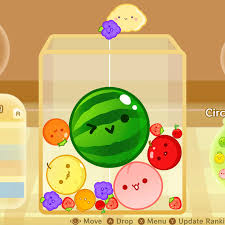
A popular modern example is Suika Game, where you launch fruits into a round container and merge identical ones into higher-value fruit. The result feels like a relaxing mix of strategy and “watch what happens,” especially because the game never lets you fully control everything—everything reacts.
Whether you’re here for quick rounds or a longer “just one more try” session, experiencing this style of puzzle is all about understanding the rhythm: drop, observe, plan lightly, and adapt.
Gameplay (What You’ll Actually Do)
Most watermelon-style puzzles follow the same flow:
In practice, gameplay becomes a cycle of decisions and reactions:
The best moments often come when you set up one clean merge that triggers another, stacking upward in a satisfying way.
Tips (Simple Strategies That Help Without Being Complicated)
1) Think in “routes,” not exact placements.
Because physics is doing the work, don’t aim for a perfect landing every time. Instead, aim for a likely path: toss so your fruit can roll toward a match, or land near a cluster where movement will bring it together.
2) Build at the edges when you’re unsure.
If your stack starts to look messy, outer areas can be easier to manage. Pieces on the sides tend to settle and create stable slopes. This makes it easier to find matches without collapsing your structure.
3) Watch for “gaps” that can become merge zones.
A tiny empty space between fruit can become the best landing spot later. If you notice two identical fruits are close, try to drop the next matching one so it slides into that gap.
4) Don’t rush—let the board breathe.
After you release a fruit, give the arena a moment to fully settle. In many rounds, the difference between a smooth merge and a bad stack comes from understanding how the objects finish moving, not from how quickly you tap again.
5) Favor chains over single upgrades.
One merge is nice, but two merges in a row are much more helpful for staying under the overflow limit. When planning your next drop, ask: “Is there a way this also sets up the following merge?” Even small setups can cause surprising chain reactions.
6) Keep your stack from becoming a vertical “wall.”
If everything piles up in one tall column, it’s harder for new pieces to find matching partners, and you’ll reach the top faster. A slightly wider formation often gives more options for placement and rolling.
7) Learn your fruit “spacing.”
Over time, you’ll get a feel for how large each fruit level is relative to the container. That instinct helps you predict whether a new fruit will fit into a cluster or force your stack upward.
These tips are meant to make play smoother and more fun—not to turn you into a tournament competitor. Most enjoyment comes from noticing patterns and improving gradually.
Conclusion
Experiencing a watermelon puzzle is really about balancing two things: the light, satisfying action of dropping pieces and the gentle challenge of predicting how a physics-based stack will behave. Using Suika Game as a reference makes it especially approachable, because the rules are straightforward, and the outcomes can still surprise you.
If you’re new, focus on staying calm, watching how fruit settles, and aiming for merges that could lead to follow-up combinations. If you’ve played for a while, try experimenting with placement styles—edges vs. center, careful setups vs. faster chain attempts—and see what your “favorite kind of chaos” turns out to be.
Most importantly, enjoy the process. The best watermelon puzzle moments aren’t just about winning—they’re about those little, rewarding sequences when the board clicks into place.